
ÜLGENAERO
We fly. We look. We report. Ülgen Aero pairs autonomous drones with on-site AI to find structural defects — without drilling into a wall or putting an engineer on a ladder.
Our aim
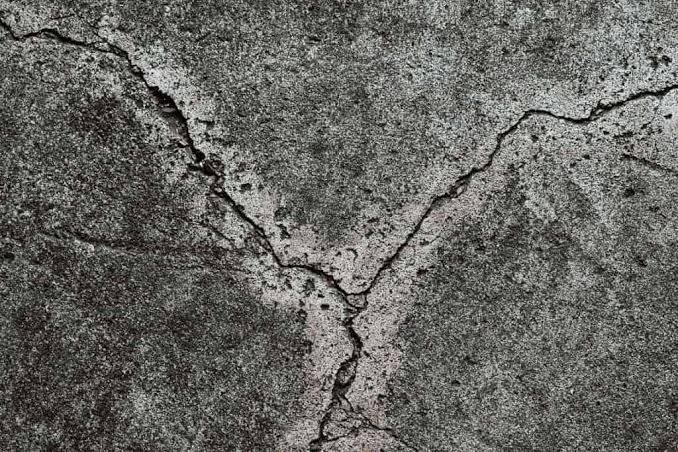
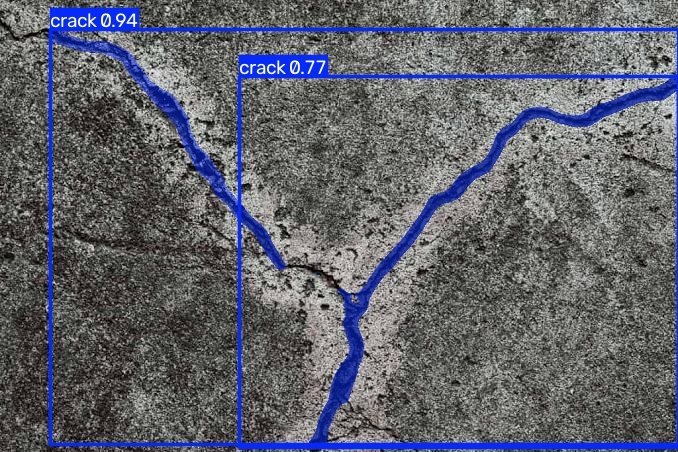
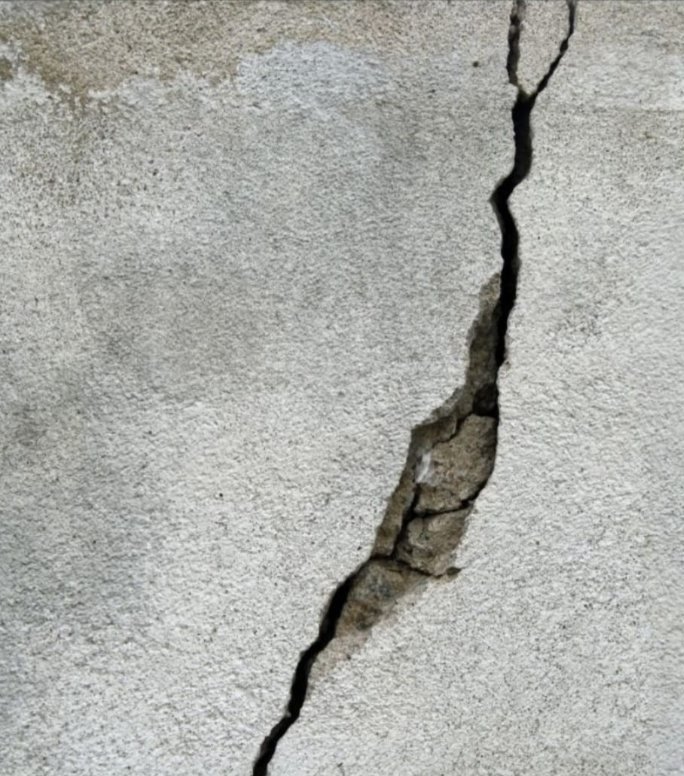
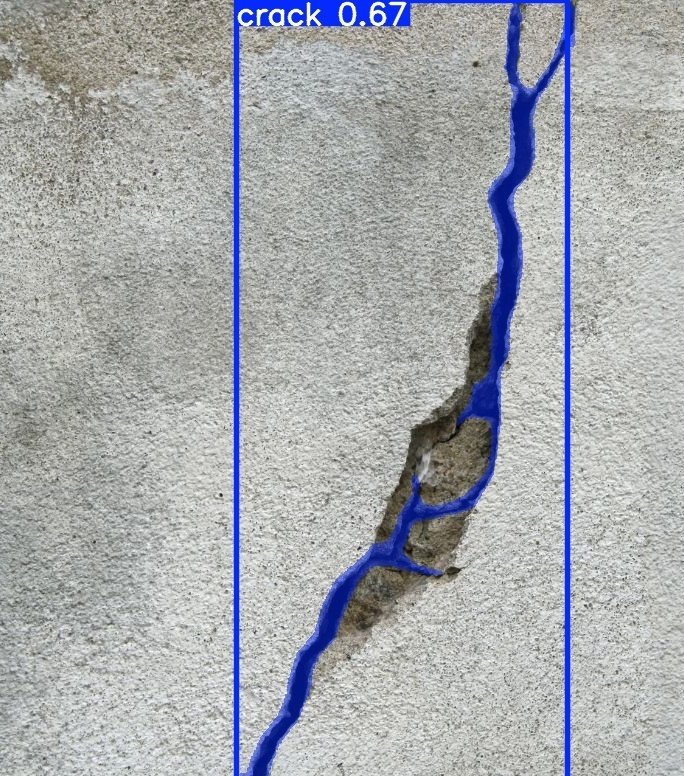
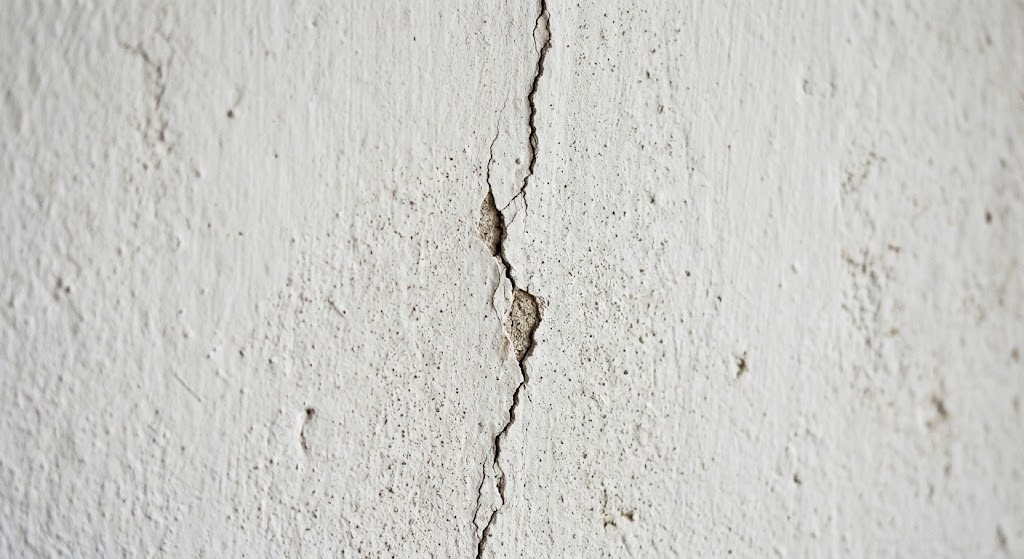
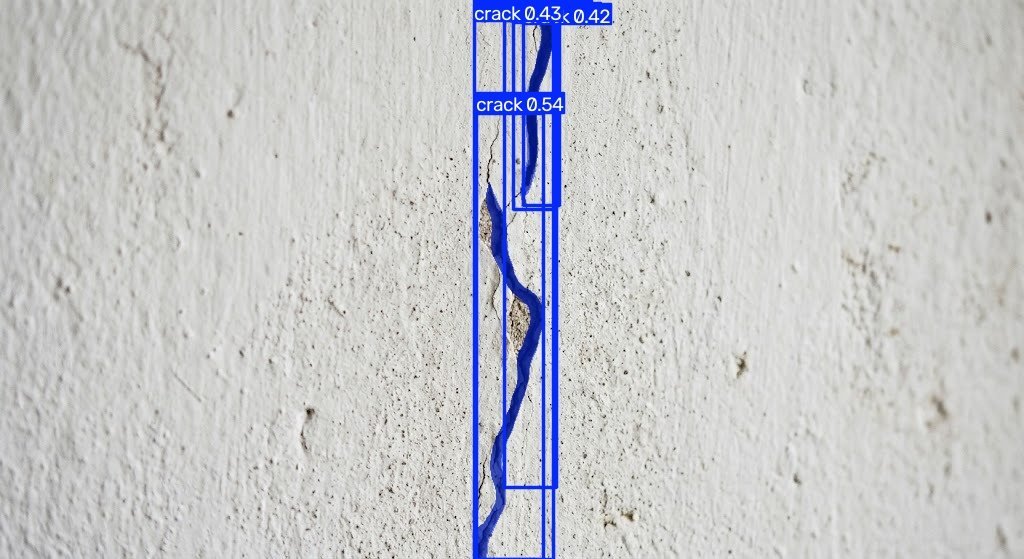
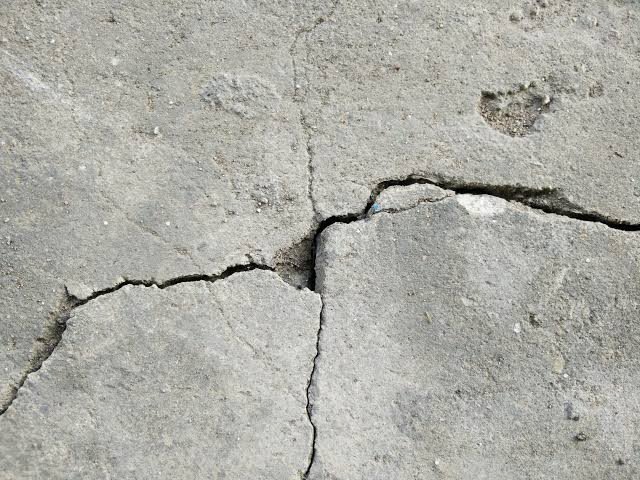
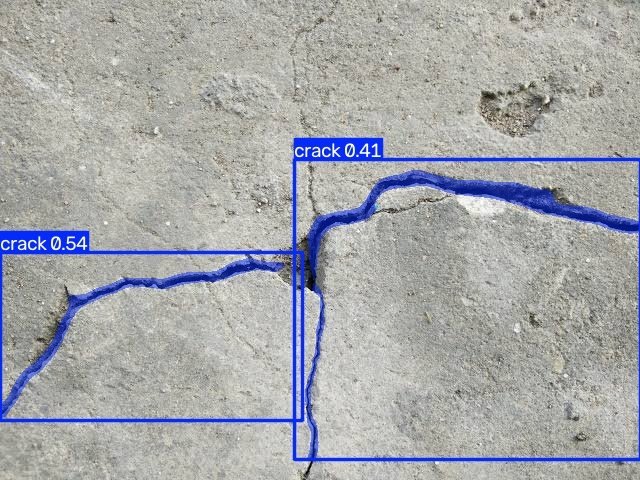
Ülgen Aero’s autonomous UAV eliminates dangerous manual checks wherever human access is hazardous, costly or inefficient by detecting and evaluating cracks on facades of numerous structures.
- 01Reach high-risk zones without lifts and scaffolding. Our autonomous drones work with high precision across construction sites and elevated facades to detect cracks and analyse their structure.
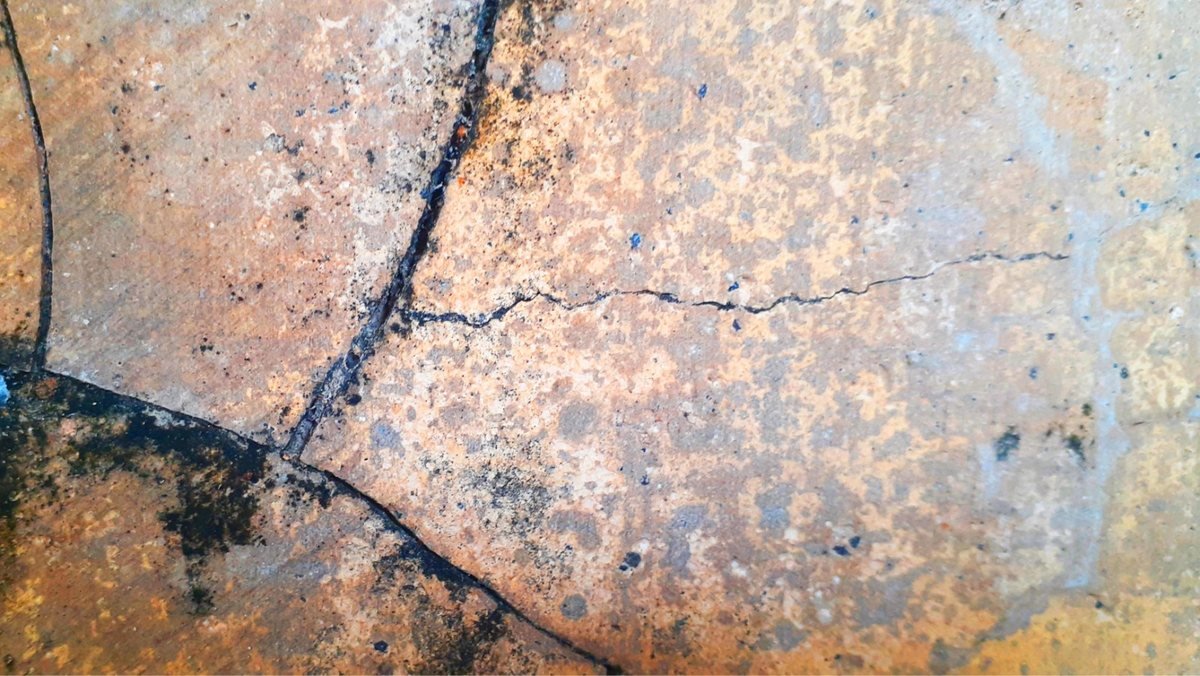
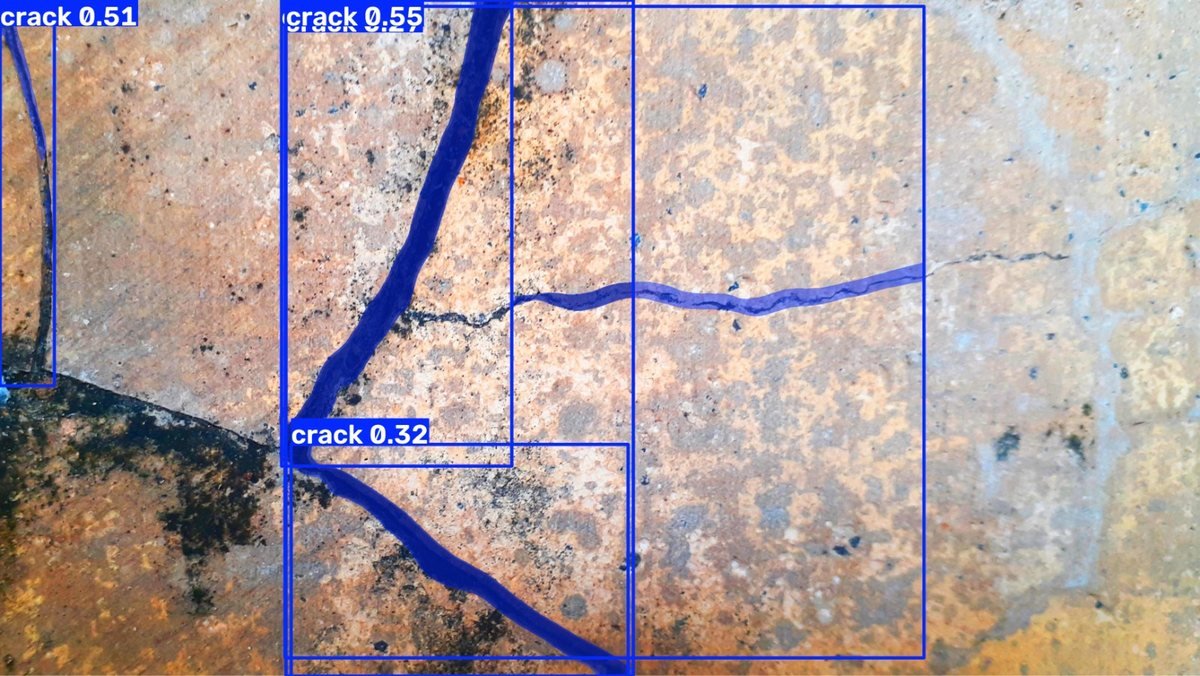
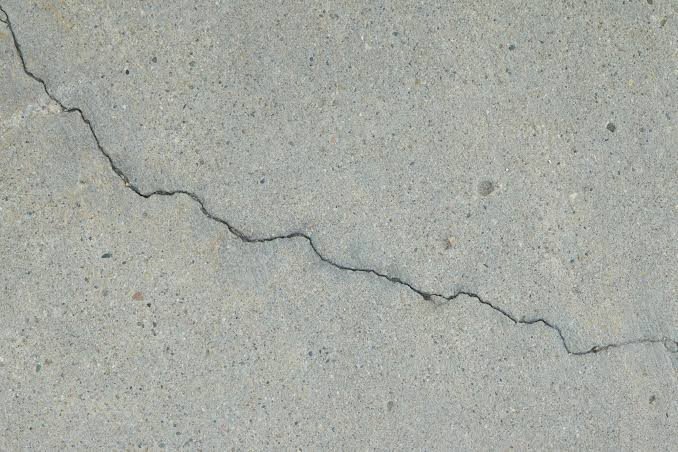
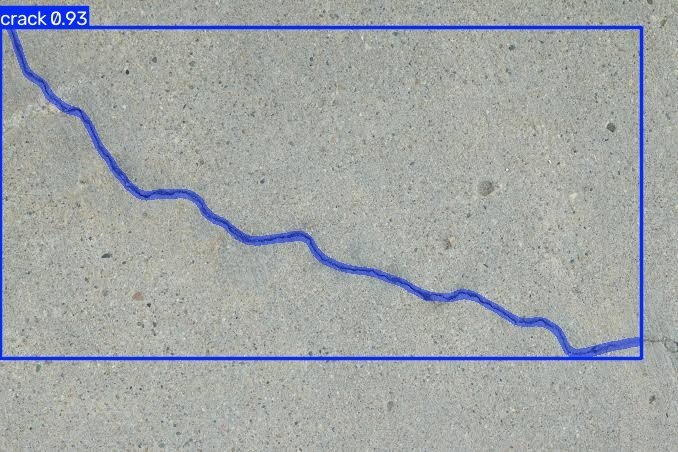
- 02Assess severity with dual-model AI. One AI model controls autonomous flight, while the detection model identifies both structural materials and cracks to evaluate crack type, size, and potential structural risk.
- 03Enhance safety, speed, and accuracy. We deliver instant, objective data and complete geotagged records directly to engineering teams. Engineers review and double-check every output for maximum accuracy and confidence.
The project, in numbers
Flown together in our largest Isaac Sim swarm-coordination test to date.
Our drone completely eliminates the physical risk.
And we continue to improve it by expending our dataset.
Our drone model is built to inspect water dams, bridges, and construction sites.
Three ways to inspect a building
| Method | Karot (core sampling) | Manual detection | Ülgen Aero |
|---|---|---|---|
| Effect on the structure | ● Destructive, drills a core sample out of the wall | ● Non-destructive | ● Non-destructive |
| Speed per building | ● Slow, lab curing & testing takes days | ● Moderate, limited by walking & access | ● Fast, a full façade pass in one flight |
| Access to upper floors & unsafe areas | ● Requires scaffolding or safe access | ● Restricted after visible damage | ● Reaches façades and roofs directly |
| Consistency between inspections | ● Consistent, but sparse sampling | ● Varies by inspector & fatigue | ● Same model, same threshold, every time |
| Output | ● Lab strength report, single point | ● Handwritten / photographic notes | ● Geotagged imagery + scored defect map |
We see the drone as a complement to the engineer, not a replacement — Karot sampling still has its place for material-strength verification. Our aim is to conduct high-precision structural analysis in high risk environments: keeping teams safely on the ground while drastically improving speed and data accuracy.
Explore the drone & the pipeline